
News

News

Latest news and updates from our company

Chongqing Wansheng Chuandong Chemical Co Ltd
2026-05-09

Chongqing Wansheng Chuandong Chemical Co Ltd

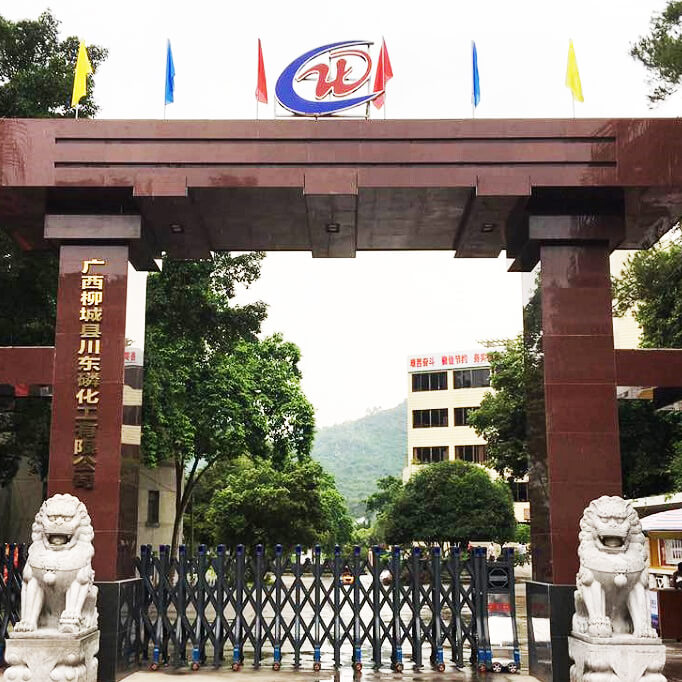
 From our vantage point on the factory floor, the challenges and opportunities facing chemical manufacturing stand clear. Companies like Chongqing Wansheng Chuandong Chemical Co Ltd have demonstrated staying power in an industry that demands both resilience and technical savvy. Their roots run deep in phosphorus-based chemicals and fine chemical development – a sector that rewards consistent investment in better processes and real gains in quality. Over the years, we have often crossed paths with firms in this sector who chase short-term windfalls rather than investing the capital and patience needed for reliable scale-up. But Wansheng Chuandong has developed a reputation among manufacturers for building enduring technological systems. Business survival here favors the producers who tackle energy use optimization, waste handling, and raw material efficiency with hands-on attention rather than grand marketing slogans. Their consistent performance – from procurement through batch processing – makes a difference to buyers who trust in predictable, reproducible product lots, especially for downstream applications in flame retardants, plasticizers, and additives.  Producers dig in for the long haul. The past decade, and especially the recent global disruptions, have taught every chemical manufacturer the weight of reliable upstream partners. Unglamorous work like warehouse upgrades and digital management systems matter greatly, because a production stoppage from a missed delivery ripples far down the chain. Wansheng Chuandong’s move toward vertical integration serves as a practical example. By holding more control over supply to production, they keep their plants running when lesser-prepared facilities run dry. In our own operations, we have felt the strain when a single key raw material stalls at customs or experiences a sudden shortage. These aren’t rare events—they’re everyday frictions. So a stable, invested company like Wansheng Chuandong earns trust not from press releases, but by demonstrating they keep their logistics tight, their suppliers close, and their inventory visible.  New regulations keep ratcheting up the stakes. Local governments and overseas buyers want real documentation and honest reporting, not back-burner tick-boxes. For manufacturers handling phosphorus and related chemicals, stakes climb even higher—anything from dust emissions to accidental discharge draws scrutiny. Direct experience tells us that investments in containment and monitoring don’t just meet law; they prevent nightmarish downtime. Wansheng Chuandong has taken visible steps toward improving its HSE practices, from on-site training to site audits. These actions help steady the sector, not by chasing headlines, but by fostering a culture where issues surface early and get solved before they balloon. If the operators on the shop floor don’t believe their management watches out for them, quality and morale slip fast. When neighboring manufacturers adopt tighter emission controls or upgrade their fire safety systems, it benefits everyone. Industry-wide, the safer we all run, the fewer regulatory shocks any one company faces.  Markets change, but the chemistry rarely follows a silver-bullet path. Long development cycles, strict customer requirements, and rising input costs push us to keep innovating—yet flitting from trend to trend without strong R&D chops wastes more than it saves. Wansheng Chuandong keeps investing in practical, continuous improvements to both batches and purification methods. Our own teams have seen the difference between a factory that runs the same processes unchanged for years and one that does regular technical reviews. Upgrades to reactors, solvent recovery, and purification can raise yield percentages in small, cumulative steps, saving both money and resources. Downstream users, whether compounding plastics or making paints, need assurances that a slight tweak in formulation won’t derail the end product. Only a manufacturer with a laboratory that partners with end users, not one that simply pushes product out the door, can give those assurances. On-the-ground R&D—not just in test tubes, but in actual plant-scale runs—eliminates nasty surprises, especially around scale-up and raw material variability.  Competitive pressures keep tightening, with new plants springing up overseas and middlemen muddying the market. For years, some importers confused traders with real manufacturers, fueled by a patchwork of online listings and cut-and-paste certifications. But purchasing teams get wise quickly. What consistently sets a true chemical manufacturer apart goes beyond the basic ability to deliver product. Customers ask for batch histories, precise test results, and sometimes bespoke modifications. Only companies running their own production lines can tune their process on short notice, trace issues back to a precise shift, and provide root-cause documentation if a problem ever emerges. Over the years, this arms-length trust matters most, not only for direct buyers but for the consumer-facing brands downstream who risk their own names with every new supplier. Wansheng Chuandong, by continuing to show its work through plant visits, real certifications, and transparent quality logs, strengthens these relationships. Cutting corners disappears as an option if the customer walks the shop floor.  No manufacturer gets every detail right—there’s continual pressure to lower emissions, boost process safety, and match market prices across shifting global tariffs and trade restrictions. The domestic landscape in China pushes every producer to compete not just with neighboring provinces but with importers flooding the market with sometimes questionable pedigrees. Aging equipment, labor retention, and digital transformation all present moving targets. The actual work of aligning innovation with responsible practices takes real investment, not half-measures. Wansheng Chuandong stands as an example in our field of pushing for practical, incremental progress, even as regulations tighten and foreign buyers call for ever-cleaner traceability.  Manufacturing chemicals, especially phosphorus compounds and associated organophosphates, tests a company’s depth at every point from raw material sourcing to final shipment. Producers like Chongqing Wansheng Chuandong Chemical Co Ltd who invest directly in their own plants, train operators with care, and share technical data with customers, help bring much-needed reliability across a sector often perceived as volatile or opaque. By sticking to the practical basics—hard-won expertise, process control, hands-on problem solving—they move the industry closer to serving both advanced markets and demanding regulatory systems. Other manufacturers who aspire to stability and growth would do well to focus on the specifics: honest supply relationships, continual investment in plant improvements, full transparency with partners, and a willingness to adapt when the market or the science takes a new turn. Experience proves again and again that these are the foundations on which enduring chemical businesses are built. Mobile: +8615380400285E-mail: sales2@liwei-chem.comWebsite: chongqing-chuandong.com
Read More
Guangxi Liucheng Chuandong Phosphorus Chemical Co Ltd
2026-05-09

Guangxi Liucheng Chuandong Phosphorus Chemical Co Ltd

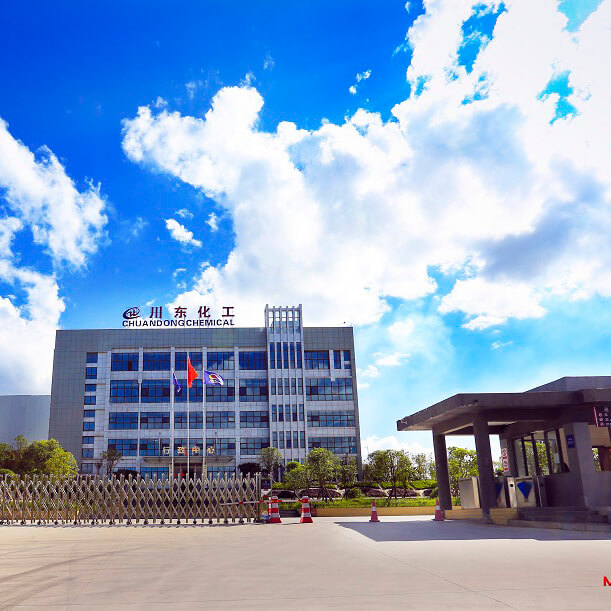
 Living and working in phosphorus chemistry often feels underappreciated. Plenty of headlines float around about global trade flows and market volatility, but here in Guangxi Liucheng, the hard realities of chemical manufacturing shape every decision we make. Most people see only the finished phosphorus-based goods on the market, not the noise, heat, and persistence that go into every metric ton produced. Years of trial and error have carved out our approach, blending old-school methods with technical improvement, all to keep up with domestic and global demand while raising standard after standard for both safety and purity.  Staying ahead in this business means respecting natural advantages and recognizing barriers. Guangxi’s phosphate rock resources anchor us to the land—there’s no shortcut for reliable feedstock. This cuts risk in procurement, especially in turbulent times. But chemical processing never respects optimism alone. Inputs roll in, our methods convert rock to P-containing intermediates, and our crew manages every shift, often slogging through maintenance and troubleshooting instead of chasing theoretical yields. Production always collides with energy and water limits, plus the unpredictable quirks of each new raw material delivery. We see up close how controlling quality never comes easy—it’s a cycle of laboratory checks, batch corrections, and machine recalibration. If a fraction of P2O5 slips outside the target, customers notice, so internal discipline matters more than marketing claims.  Downstream players might debate over logistical efficiency or procurement terms, but on the production side, we constantly face a different set of pressures. Any interruption—whether from weather, equipment breakdown, or supply chain bottlenecks—can snowball through hundreds of workers and dozens of customer contracts. Years past taught us that agility beats size, so over time, the factory evolved its own system of batch planning, predictive maintenance, and a culture of reporting troubles early. Everyone from shift supervisor to quality inspector owns a piece of output, because if a batch fails, the local team eats the cost before any client does. Cash flow relies on converting raw phosphate rock, sulfur, and energy into usable chemicals day after day. Only after consistent manufacturing do brand and trust grow.  Our factory’s direct link to resource mines gives us strategic resilience, but brings local responsibility. Acidic effluent and solid waste present challenges that turn up as soon as you scale phosphorus chemistry. We’ve been forced to innovate in waste recycling: investing in byproduct recovery, upgrading scrubbers, and cooperating with authorities to meet new environmental targets. Young people coming up in the company see these projects as a point of pride, since keeping both factory and community safe secures jobs and social license to operate. Regulatory scrutiny tightens each year, and, unlike office talk, regulatory failure means fines or worse. We’d rather over-deliver than run the risk, which has nudged in-house standards beyond just meeting national codes.  Long-term buyers sometimes push for price cuts, but those conversations rarely account for the night-and-day running of rotary kilns or the sheer number of hands on every batch of phosphoric acid or phosphate salt. Some call for “sustainable value chain management.” To us, this means retaining skilled workers, not overextending credit, and treating phosphorus as more than bulk commodity. Our employees know the supply chain all the way back to blasting at the mine face, and every worker, from safety staff to senior chemist, sticks around thanks to steady wages and respect for the craft. Industry observers studying published output numbers don’t see the hundreds of hours poured into process analysis, nor how many small upgrades help us reduce emissions or cut down water use.  Clients in agriculture, detergents, feed, and other sectors depend on us for feedstocks with established batch-to-batch properties. These manufacturers rely on our operational predictability and transparent communication, rather than just a stacked paper trail. So we have learned to trace and document every lot, link it to batch history, and discuss openly if a process deviation arises; quick explanations and corrective measures matter more than spinning stories. In this field, long relationships grow from humility and proof of improvement every quarter, not just promises in meetings. The real impact flows from higher performance over years, not quarters.  We have adapted to global shifts in phosphate supply, balancing domestic priorities with export regulations. Chinese policy changes and shifting environmental frameworks can land quickly, but our team, through experience, saw that only factories deeply connected to their upstream mines and downstream processing teams can make fast adjustments without churning their supply or losing key customers. Partnerships with nearby plants, shared utilities, and logistical hubs form living networks that keep operations nimble even in volatile markets. Resilient operations come from a mix of old hands who remember lean years and young engineers with better data tools.  Investing profits back into plant modernization is unpopular with some stakeholders, but our track record proves that new autoclaves, better control software, and skilled operator training reduce downtime and incident rates. Technologies for energy recovery and smarter emission controls pay off, even if cost savings arrive gradually. Our lead process engineers still spend time learning from front-line operators, because even the most advanced DCS can’t replace experienced judgment during a plant upset.  Anyone visiting the site soon grasps the deep link between operational discipline and product integrity. Employees here learn quickly that attention to equipment, raw material variability, and safety shows up in the every-day reliability of phosphorus output. Clean records and customer trust don’t come from luck—they reflect intense internal feedback and willingness to own up when things slip.  No day in Guangxi Liucheng’s phosphorus plant unfolds as planned, but success grew from a culture of relentless handoff: from mining, to processing, to shipment, and finally to consistent customer delivery. Every new team member hears the same message: we don’t just sell chemicals, we prove that sustainable, disciplined manufacturing—here and now, under local conditions—matters most to every stakeholder, and to every batch sent into the world. Mobile: +8615380400285E-mail: sales2@liwei-chem.comWebsite: chongqing-chuandong.com
Read More
Guizhou Fuquan Chuandong Chemical Co Ltd
2026-05-09

Guizhou Fuquan Chuandong Chemical Co Ltd

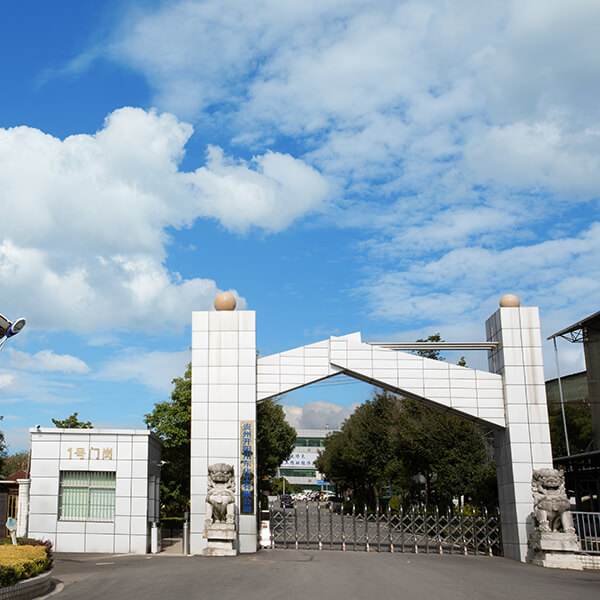
 Operating a chemical manufacturing facility in Guizhou means full exposure to every aspect of production, from choosing the raw limestone at the mine gate to loading the last bags on the departing trucks. Our industry faces constant scrutiny and rapidly changing expectations. Every year brings new standards for safety, emissions, cost control, and product performance, and the benchmark shifts with each technological leap by competitors. Guizhou Fuquan Chuandong Chemical Co Ltd earns its place on industry maps because reaching stable, reliable output in a region with challenging logistics and infrastructure doesn’t happen by chance. This company’s roots run deep in a region where local labor skills, ore quality, and water and energy access form the core of any practical business decision.  Building a chemical factory in the mountains of Guizhou steers every plant manager to rely on the region’s mineral wealth and adapt to the unique challenges of remote production. Years ago, the industry learned that bringing in third-party intermediaries to manage supplies or production steps wastes money and raises risk. Ownership of quarries, in-house labs, dedicated rail sidings—all these shape the cost and quality edge we see in locally rooted firms. You can’t trust a test certificate if you didn’t train the team running the titrator. Logistics teams grow used to the quirks of the terrain, hauling finished material out through winding roads and finding ways to work through seasonal floods or heat. The extra effort pays off in product reliability that customers have come to count on, and that’s why direct manufacturing stands apart from remote outsourcing or low-transparency arrangements.  Environmental controls stand among the hardest challenges for a chemical company in southwest China. Scrubbers, effluent monitoring, dust suppression—these are not bells and whistles, they are basic prerequisites for having a license to operate. In places like Fuquan, government attention to water use, air quality, and industrial waste comes with sharp teeth. If a plant slips and allows contaminated water into local streams, the community responds and the government acts. We’ve worked out that building effective containment and waste treatment from the outset, backed by continuous training for every operator, prevents large-scale headaches and protects the company’s credibility. Heavy fines and negative press costs more than any up-front investment in real, hands-on pollution mitigation—not just paperwork. Real improvement always comes from ground-level diligence and careful measurement, not slogans or superficial “green” branding.  Relationships with local communities can shape the fate of even the most technologically advanced chemical factory. In Fuquan and elsewhere in Guizhou, factories do not exist in a bubble. If the plant enables jobs and local business opportunity, it earns some degree of support. When trucks stir up dust or noise passes fence lines, the plant hears about it fast. These aren’t distant concerns for someone working alongside local staff every shift. Open hiring policies, direct communication with officials, and support for community schools or services builds the trust needed for long-term operation. Losing local support leads straight to protests, legal action, or sudden visits from regulators. No glossy brochure can replace steady, open management on-site and respect for every neighbor’s concern.  Power outages and resource shortages force manufacturing teams in Guizhou to improvise solutions that maintain output without cutting corners on quality or safety. Hydropower and coal still run the turbines, but fluctuating prices and tight supply chains mean that on-site generation and backup systems keep the factories moving. Unlike paper-pushing traders or resellers who can shrug and pass costs along, direct manufacturers feel the full force of every supply hiccup. Tight resource management translates directly into cost stability and product availability, and continual investments here distinguish serious long-term players from opportunistic entrants who disappear when profits thin.  Lasting progress in chemical manufacturing comes from building team skills, adopting better equipment, and tightening process controls. Guizhou’s difficult geography forces innovation: small improvements in filtering, drying, or reactor control can eclipse big headline investments made in easier locations. Our operators and engineers grow used to coaxing higher yields from local ore, tuning process recipes for batch consistency, and troubleshooting without a parade of hired consultants. This “make it work” mindset becomes second nature after years in the field. With each new piece of equipment, the company earns more flexibility, higher recovery rates, and fewer emissions. Sharing these hard-won lessons with customers, applications engineers, and downstream manufacturing partners keeps trust high and opens doors that no sales pitch could reach.  Each batch of chemical product needs to meet not just physical quality standards but also a mountain of regulatory paperwork, export documents, and compliance certifications. For a manufacturer in Guizhou, every misstep in documentation risks delays, missed shipments, and even export bans. Over time, we’ve seen the importance of proprietary in-house systems for tracking raw material inputs, tracing product shipments, and logging quality checks. Robust reporting stands as practical proof of reliability; it’s not an abstract legal requirement, it’s make-or-break for keeping global buyers on board. Relying on others for this task always introduces gaps and points of failure. Our department heads know that every signature, test sheet, and invoice carries real risk if overlooked. This reality separates long-term producers from speculative traders who skip the hard work and rely on intermediaries to clean up errors.  Sustaining chemical manufacturing in Fuquan means heavy investment in training apprentices, sending staff for technical workshops, and building a culture where plant personnel learn beyond their original job description. In places where industrial wages compete poorly with city jobs, keeping skilled staff requires not only reasonable pay but also a sense of pride and participation in the plant’s mission. Automation and digital monitoring change the way frontline workers spend their days, but hands-on troubleshooting and understanding the rhythm of the process still matter as much as ever. When operators know exactly what a particular gauge or sound means, downtime drops and product quality rises. In this line of work, loyalty and on-the-job know-how outperform any short-term hiring spree. Local talent keeps the plant resilient against the kinds of labor shortages or cultural disconnects that trip up less rooted operators.  End users remember setbacks—dust in feedstock, inconsistent particle size, or uncertain test results leave a mark that never goes away. Chemical producers like Guizhou Fuquan Chuandong Chemical Co Ltd spend months, sometimes years, rebuilding confidence after a single incident. There’s no shortcut for everyday discipline on the factory floor: calibration of each scale, cleaning each filter, and rechecking critical batches become ingrained habits. Customers ask for transparency and traceability as an entry requirement, and only a team steeped in the details of full-cycle production can honestly sign off on the answers. That direct accountability provides real reassurance and helps maintain demand even when broader market conditions shift unpredictably.  Mobile: +8615380400285E-mail: sales2@liwei-chem.comWebsite: chongqing-chuandong.com
Read More
Guizhou Kaiyang Chuandong Chemical Co Ltd
2026-05-09

Guizhou Kaiyang Chuandong Chemical Co Ltd

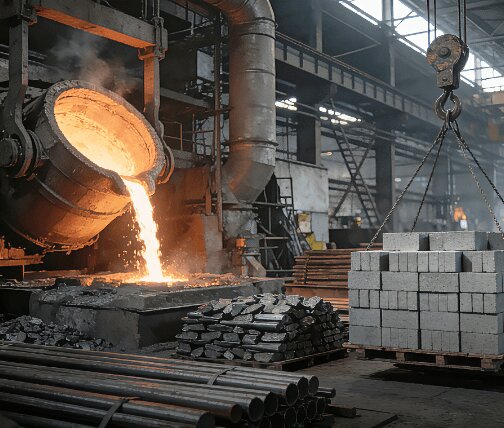
 Every chemical manufacturer faces a balance between consistency, costs, and responsible operations. At Guizhou Kaiyang Chuandong Chemical Co Ltd, decades of working through shifting challenges in raw material handling, energy demands, and environmental policies have traced a pattern familiar to any plant operator. Turning phosphate rock into usable compounds means far more than sticking to recipes or equipment manuals. The company must develop close relationships with mining outfits, rail providers, and utilities just to lock in reliable inputs—rates for sulfur and ammonia can swing wildly depending on global trends. For us, finding alternate sources or working out strategic stockpiles during tough years often marks the difference between a profitable season and tough cutbacks. Operations in landlocked regions, far from ports, add another level of pressure; every ton of acid or fertilizer sent out relies on careful negotiation with local logistics networks and clear communication with downstream users. The hands-on experience through seasonal bottlenecks, labor shortages, and unexpected maintenance keeps every manager awake at night. There is little room for error, so those who stay in the game pay close attention to equipment reliability, train up skilled operators, and avoid risky shortcuts no matter how tempting quick savings might look.  A chemical company lives and dies by its relationship with the local community. Firms like Guizhou Kaiyang Chuandong know that noise, dust, and waste outflows shape public trust more than any glossy advertisement. Regular plant open days, information sessions, and honest dialogue with both local government officials and residents anchor a strong social license to operate. We've met many neighbors over hot meals and earnest debates about what it means to coexist with a large facility nearby. Responsibility demands transparency—reporting emissions data, responding quickly to small incidents, and paying close attention to worker safety. Safety culture does not trickle down from rulebooks alone; it grows through ongoing practice, honest reporting of near-misses, and management taking responsibility for mishaps, not pushing blame onto the shop floor. Over time, an operation earns a reputation not just for the technical quality of its phosphate products but for how its people behave. Turning up for community clean-ups, supporting local schools, and offering jobs to people in nearby villages all play their part. In our own experience, government oversight gets stricter each year, so only real investment in upgraded water treatment, better dust collectors, and safer handling procedures satisfy both regulators and the public.  Environmental rules never stand still. Each year brings tighter standards for wastewater, air emissions, and solid waste disposal. The practical reality is that upgrades come in waves: fitting new scrubbers, redesigning recycling streams, and building gypsum stack linings takes time and money. Companies like ours and Guizhou Kaiyang Chuandong need technical teams willing to adapt, test, and tinker with processes—trialing new acid strengths, tweaking washing protocols, or recovering heat from tail gases. Sometimes a solution as simple as swapping pumps for higher-efficiency models unlocks both lower emissions and smaller bills. Plant leadership tries hard to stay ahead of coming regulations, not just race to catch up. The pace and cost of compliance can make international news, but from inside the gates, every new project means hours of planning, retraining, occasional setbacks, and, finally, steady improvements. Over the years, peer discussions and plant visits teach a lot—many of our upgrades come straight from seeing what works on the ground elsewhere. Rather than treating each regulation as a hurdle, we see it as a nudge to modernize, trim waste, and prove that chemical manufacturing can coexist safely with nature.  The chemical sector tracks broader economic swings closely. Our competitors and partners in Guizhou have watched ups and downs in agriculture, construction, and export demand shape the investment cycle. In growth years, everyone rushes to boost output—retrofitting kilns, buying shiny trucks, hiring teams for round-the-clock shifts. During slowdowns, maintenance crews outnumber production teams, and export managers negotiate fiercely for every truckload. Price cycles for key exports like monoammonium phosphate or diammonium phosphate play a huge role in budget decisions. No spreadsheet can fully predict global trade tensions, sudden famine relief orders, or shipping bottlenecks along crucial rivers. The companies who weather these storms often invest in flexible systems and long-term customer ties. For us, a reputation for clear communication on delivery times, stable product quality, and willingness to collaborate during tough seasons has secured many repeat orders. Customers care about reliability above all: a missed vessel or a delayed shipment ruins trust built over years. The market rewards producers who keep promises—no shortcut here.  Running a complex chemical plant does not rely on algorithms or robotics alone. Every shift includes careful handover notes, mid-night troubleshooting, and a cascade of split-second decisions by experienced technicians and engineers. An employer’s reputation for safe, fair work draws the best talent from local colleges and technical schools. Guizhou Kaiyang Chuandong Chemical Co Ltd invests heavily in training—running simulations for emergency shutdowns, mentoring new operators on process stability, and supporting staff through family emergencies. The pride seen in long-tenured staff comes from both technical mastery and confidence that management backs up hard decisions. Ongoing investment in worker development pays off in higher yields, lower downtime, and fewer accidents. Often, we swap stories about ‘old hands’ whose instinct catches a sticky valve before a costly delay or who remember the fix for a rare troubleshooting code. This pool of experience counts more than any imported automation scheme or consulting report. To keep a big plant running, the human touch remains irreplaceable, even among gleaming process control screens and dashboards.  The pandemic years exposed the risks of just-in-time sourcing and overseas dependency. Guizhou Kaiyang Chuandong, like us, ramped up efforts to buy local acids, packaging materials, and spare parts. These efforts provided jobs and built thicker webs of support among neighboring industries. Engineers managed to qualify new vendors for critical valves, while logistics teams mapped alternate routes as pandemic lockdowns spread. Plants that waited for distant suppliers struggled to recover; those that forged local links bounced back with less pain. The lesson stuck: stockpiles of key inputs, reliable regional partners, and nimble maintenance crews make the backbone of modern chemical production. Tighter bonds with upstream mines and downstream compounders foster a level of agility spreadsheets cannot capture. Our purchasing managers spend long evenings checking in with suppliers, resolving issues on raw material quality, or helping to sort regulatory paperwork for new transport rules. This resilience comes not through luck, but careful planning, sweat, and shared commitment across the supply chain.  Guizhou Kaiyang Chuandong Chemical Co Ltd occupies an important space in the phosphate and broader chemical landscape. Their daily grind echoes our own—shift logs full of tweaks, maintenance teams fighting corrosion, technical seminars on cutting losses, young graduates joining factory tours wide-eyed. The public rarely sees the coordination required for safe, effective chemical manufacturing in China’s evolving market. Policymakers call for greater sustainability, buyers demand more traceable sourcing, and partners press for rapid innovation. Against these complex demands, old-fashioned resilience, honest reporting, and willingness to adapt yield real progress. We know there will be more regulatory push and tighter carbon disclosure ahead. Industry players who own their processes, listen to feedback, and invest in people—not just hardware—will thrive. The stories from inside plants like Guizhou Kaiyang Chuandong Chemical Co Ltd explain far more than any press release ever could. As peers, we see not just competition, but shared challenges and a network from which to learn and grow. Mobile: +8615380400285E-mail: sales2@liwei-chem.comWebsite: chongqing-chuandong.com
Read More
Chongqing Chuandong Chemical (Group) Co Ltd
2026-05-09

Chongqing Chuandong Chemical (Group) Co Ltd

 Operating a chemical manufacturing facility in China’s industrial heartland presents a daily set of challenges few outside the sector really talk about. We’ve watched over the years as large state-run and private companies like Chongqing Chuandong Chemical (Group) Co Ltd shaped entire supply chains in western China. As fellow manufacturers, our boots stay planted in similar soil — working to keep product flow steady and to develop technologies that make a difference for end users. Competition always gets headlines, but there’s more nuance at play: each plant, firm, and workforce carves out its own impact on the chemical landscape, and Chuandong Chemical’s rise reflects that reality.  Chemical production, particularly at the kind of scale Chuandong handles, isn’t about quick wins or stock market bumps. The industry at this size revolves around process reliability, local infrastructure, environmental compliance, and skilled labor pools. We know from experience that keeping a plant environmentally compliant takes persistent investment in emissions controls, wastewater treatment, and responsible sourcing of raw materials. The public often overlooks these investments because they don’t produce sensational news, but they make or break a manufacturer’s reputation with regulators and neighbors. Our own plant’s modernization efforts come after regular technical audits and local government review—nothing is left to chance, and I see the same pattern in Chuandong’s operations in the Sichuan Basin.  Manufacturers seldom talk openly about what it costs to maintain multi-modal logistics networks required to reach domestic and offshore buyers. Large western producers must keep trains, trucks, barges, and warehouses synchronized so orders leave on time—any misstep backs up production and breaks customer trust. Chuandong Chemical’s long footprint in the region stands as evidence of the discipline needed to fulfill contracts in agriculture, mining, and basic industry sectors served by calcium products, phosphorus chemicals, and related specialties. Even when demand patterns shift with the seasons or international trade policy adds new wrinkles, steady communication with local partners—from quarry owners to rail operators—anchors our daily work.  As neighboring manufacturers, we don’t get to look away from public concern about chemical emissions, waste treatment, or emergency safety procedures. Legacy factories drew scrutiny in the past when remediation lagged, and mines or rivers felt the consequences. Years of cleanup and upgrades built new expectations. Any large company now including Chuandong, has to show its environmental results, not just put statements on walls. We’ve recently installed online monitoring for key pollutants at our plant, sharing real-time data with authorities—this isn’t just a compliance box to check. It shapes how we collaborate with government agencies, schools, and local businesses on resilience planning and incident response. Relationships matter more than ever when the work involves high-risk materials or proximity to people’s homes and water supplies.  Unlike specialty chemical markets in coastal zones, western producers take on a broad range of bulk chemicals that anchor local manufacturing and resource extraction. You can’t generalize about the tech: years of optimization and process adjustment turn legacy backbone products like phosphates, calcium chloride, or industrial salts into reliable workhorses for downstream users. This steady base gives rise to process improvement labs, technical partnerships, and recruiting grounds for chemical engineering students looking to work close to family. I see this across competitors—many have aligned with institutes and technical colleges to train the next generation of operators, process engineers, and maintenance workers who keep plants running.  Margins in commodity chemicals don’t give much room for complacency. Factories run on tight margins, and cost optimization never ends. R&D for improved process efficiencies, energy conservation, and safer plant layouts isn’t some marketing line; it often comes from a need to meet more rigorous client audits or to withstand price troughs during global cycles. Our teams have borrowed ideas from regional leaders like Chuandong—everything from slurry transfer methods to multi-stage purification equipment. Real-life plant upgrades—pumps, reactors, filters—come with sticky technical questions and problem-solving sessions lasting months, not days. The reality is, no single company wins alone when it comes to process technology; the region as a whole advances as teams swap staff, troubleshoot equipment, and challenge each other to raise the bar.  You won’t find many manufacturers downplaying the headaches caused by supply volatility, particularly after recent global disruptions. The scale at which companies like Chuandong operate, with output measured in the hundreds of thousands of tons per year, creates logistical pressures at every stage. Securing raw minerals or transportation capacity in the face of weather, holidays, or export controls takes daily coordination. We had one month last year when truck shortages doubled lead times; customer complaints forced us to expand dedicated partnerships with regional carriers. Similar stories play out up and down the Yangtze corridor, and the only workable answer remains rapid response networks and a readiness to diversify sourcing when bottlenecks threaten deliveries.  End users today don’t accept platitudes—they demand audited quality control, transparent sourcing, and progress on sustainable practices. This reality reshapes how we label products, run batch testing, and provide full documentation. Traceability has moved from paper logs to integrated, digital track-and-trace systems linking each shipment to a batch history, safety checks, and storage data. Working with both multinationals and state-owned enterprises, we face increasing requests for carbon footprint data and third-party audits. The scrutiny forces all manufacturers, including companies with the scale and legacy of Chuandong, to operate in the open and break old habits of minimal disclosure, moving toward responsible and visible progress.  Chemical producers across western China build competitive strength by sharing industry data, collaborating on safety initiatives, and participating in local technical exchanges. The old model of operating in silos broke down under the pressure of new environmental regulations and market transparency. Now, manufacturers swap experiences related to plant upgrades, turbine efficiency, or accident prevention. Industry groups and government panels at the municipal and provincial level invite operators to give feedback on regulations, and practical improvements often come from these exchanges. Over time, this cooperation has built resilience, identified gaps faster, and improved community trust. Mobile: +8615380400285E-mail: sales2@liwei-chem.comWebsite: chongqing-chuandong.com

Read More
Qingsheng Brand STPP: Reliable Sodium Tripolyphosphate from Chongqing Chuandong
2026-05-09

Qingsheng Brand STPP: Reliable Sodium Tripolyphosphate from Chongqing Chuandong

 In the world of industrial chemicals, sodium tripolyphosphate stands out for its versatility and performance. At Chongqing Chuandong, the Qingsheng brand has made its mark over the years, earning a reputation among detergent makers and industrial processors who count on each batch. A lot of the credit comes from consistency. On our factory floor, every step from phosphate ore to packed STPP reflects choices based on experience, not just recipe. We use a wet-process phosphoric acid route for our sodium tripolyphosphate, which means tighter control over iron and insoluble content, as well as minimal by-products. This is something plant engineers fought for, even though it adds complexity. In practice, fewer process impurities translate to clearer liquid detergents, brighter textiles, and lower maintenance costs for our industry customers.  The focus on purity starts all the way at raw material quality. Many manufacturers feel the pinch of fluctuating raw material, but our teams have put long-term supplier relationships at the core of our business. Iron, calcium, and heavy metal levels matter, not only for compliance but also for how well STPP supports active surfactants in formulations. In the detergent industry, small changes in impurity levels show up as cloudy washes or poor foaming. Our on-site lab runs every lot against benchmarks refined over decades. Some old-timers still recall years when even a 0.01% shift in iron would trigger complaints from powder detergent customers running large-scale batch lines. Every complaint fuels further tightening of specs and batch traceability.  Many people talk about cost pressure in the supply chain. What doesn't get as much attention is how downtime from a failed batch can cost more than a small premium for quality raw materials. Through close work with our customers’ technical teams, we’ve seen first-hand how a minor compromise on TPP content or moisture can force a halt on packaging lines or disrupt liquid blends. That’s why we target uniform granule moisture and density, even at high production volumes. Our granulation line may not be the fastest in China, but it delivers predictable handling, which keeps detergent makers loyal year after year. These choices reflect a belief that reliability outlasts marketing claims.  Critics often point to the environmental impact of STPP, citing phosphate discharge and eutrophication. No responsible manufacturer can ignore regulations or public concerns, and we don’t pretend the phosphate industry has no problems. Over the last decade, we have worked with local authorities to implement closed-loop water treatment in our plant. All process water cycles through chemical precipitation and biological treatment cells before discharge. Since updating our phosphogypsum treatment system, we achieved significant reductions in waterborne phosphate release. We studied best practices from both domestic and overseas phosphate processors and invested in new monitoring equipment—the results are cleaner effluent and a healthier community around our site. A few years ago, nearby residents voiced concern over dust and runoff during rainy seasons; after upgrades, local inspectors have measured marked decreases in phosphate and suspended solids downstream of the plant. We think those numbers prove you can produce STPP at scale and still respect your neighbors.  There’s a lot of noise in the market about cheap imports and “commodity” phosphate chemicals, but cutting corners on process control and environmental standards erodes long-term market trust. Our oldest contracts are with Chinese and Southeast Asian detergent manufacturers who have walked the floor with us, tasted the dust (literally and figuratively), and seen how we respond to problems in real time. It took years to develop these relationships, which hinge on honest communication and mutual technical support. We have run pilot trials with formula changes from customers, testing new surfactants or builders that sometimes expose unforeseen weaknesses in average STPP. Instead of glossing over weaknesses, we talk through the details, modify process parameters, and keep reporting all the way to commercial run. This loop leads to more stable contracts and technology upgrades that strengthen our position in a competitive market.  Sodium tripolyphosphate touches a wide range of uses, from dishwashing tablets to ceramics casting. Not everyone sees what’s behind a uniform powder or granule. For us, every container that leaves the facility carries the story of careful selection, process discipline, and shared risk with our customers. No tweak in production is made lightly; each decision carries cost and opportunity. We learned that reliability doesn’t just mean delivering a chemical on time, but also being accountable for its effect in our partners’ factories, wastewater streams, and final products. The Qingsheng name ties back to this ethic—a chain of conscious decisions from the supply dock to the bulk truck loading bay.   The chemical industry keeps moving. Changes in detergent formulation, environmental standards, and customer priorities require us to adapt. Over the past few years, we’ve shifted R&D resources toward process water recycling and trace heavy metal removal. Fresh regulations on phosphorus content in consumer goods push everyone to innovate. We participate in industry collaborations and provide samples for third-party research groups working on phosphate alternatives. Still, STPP remains an essential builder, and demand shows no sign of dropping in core applications. As workload rises, so does the pressure to keep standards high while finding efficiencies. Our philosophy centers on long-term trust, not trading wins for short-lived margins. Qingsheng brand embodies this: a steady product born from disciplined process and personal accountability, tested daily against the demands of downstream partners who remember every supplier misstep. Trust is built over years of producing batches that don’t just meet specifications but raise the standard for what reliable sodium tripolyphosphate should be. Mobile: +8615380400285E-mail: sales2@liwei-chem.comWebsite: chongqing-chuandong.com
Read More
What Are The Main Products of Kaiyang Chuandong Chemical
2026-05-09

What Are The Main Products of Kaiyang Chuandong Chemical

 From our earliest years, phosphoric acid stood as our core output. Every batch represents our attention to detail during mineral selection, reaction set-up, and impurity removal. Strict raw material sourcing and precise process control have always driven our quality. We never cut corners on den flotation, filtration, or stringently monitoring final acid concentration. The result is phosphoric acid that fits the requirements for making fertilizers, animal feed additives, and sometimes food-grade applications. Over the decades, we have learned that predictability matters to downstream customers, especially those producing compound or blended fertilizers at large scale. Any fluctuation in purity, phosphorus content, or solubility brings real consequences in farm fields. Regular dialogue with our buyers means we adjust everything from filter cloth replacement schedules to shipment timing based on tangible use demands, not solely theory.  On our fertilizer line, diammonium phosphate (DAP) and monoammonium phosphate (MAP) run day in and day out because global agricultural needs never slow down. Fabricating these materials demands a consistent feed of ammonia, steady-state reactors, and crew members who have seen every operating scenario. High nitrogen and phosphorus levels drive crop yields, and many area farmers rely specifically on our product flow to plan their planting. We have witnessed firsthand how even short-term disruptions cause a ripple effect across planting and harvest schedules. For over twenty years, feedback from field agronomists pushed us to increase granule stability and resist breakdown in wet storage, while balancing the pH to avoid salt injury for sensitive crops. Building those improvements into each production campaign required time, trial, and careful tuning, never marketing jargon alone.  Few products demand as much operational discipline as yellow phosphorus. Handling high temperatures and mercurial raw materials requires skilled hands and sharp eyes on every shift. Years of operating our electric furnaces have taught us the importance of thorough pre-checks and precise retort management to capture material safely. Yellow phosphorus’s volatility and high reactivity leave no room for inattentiveness. Our experience shows that only careful ventilation design and continuous training prevent workplace incidents. Industrial partners draw on this phosphorus for specialty chemicals, flame retardants, and even as intermediates for modern electronics. The vulnerabilities in the supply chain, especially for such a strategic input, became painfully clear during global logistics delays. For ongoing operations, ensuring reliability in supply often means investing in continuous preventive maintenance far more than theoretical output gains. Our workforce takes real pride in navigating these daily production challenges.  On the food additive side, we have steadily grown output of food-grade phosphates over the last decade. Good practice in this niche starts many steps before finished packing: tight ingredient traceability and all-consuming hygiene routines underpin every lot. Our whole production team knows that one slip in cleaning, or letting dust linger on a conveyor, spells trouble for compliance. Food producers, whether they make processed meats, dairy goods, or baked items, need repeatable function and guaranteed safety. We take nothing for granted during lab QC—routine is rechecked often, and whenever regulations change, new internal protocols follow. Over the years, direct conversations with factory QA managers highlighted the need for low heavy metal content and unambiguous origin certification. These are corrections that stem only from long hands-on involvement with food production partners, not easy-to-copy write-ups.  Every year, we ship thousands of tons of sodium phosphates destined for everything from water treatment plants to detergent plants and ceramic processing runs. Operating a multi-product sodium phosphate line means constant juggling—balancing production for trisodium phosphate, sodium tripolyphosphate, and monosodium phosphate based on real supply contracts. Volume peaks surrounding regional cleaning campaigns or ceramic tile installations still shape our batch planning. Our operations team developed internal protocols to prevent cross-contamination and measure everything right down to loss on ignition and pH in solution. Walking the plant floor week after week, we see how seemingly minor tweaks to process temperature or crystal washing can ripple out into finished goods that meet strict industry and environmental standards.  From a production perspective, the push to minimize waste and emissions forms just as big a part of daily life as output goals. Our experience with on-site wastewater treatment and solid waste recycling came through necessity—neighboring communities quite literally saw and judged everything we did. Environmental and regulatory inspectors routinely walk our grounds, so keeping records accurate and conducting self-inspections takes up just as much headspace as hitting tonnage targets. Every technology upgrade requires actual proof of improved discharge, not just promise. We saw firsthand how switching to closed-loop scrubber systems and acid recovery units dropped wastewater loads and improved public trust. Many conversations with local residents on safety walks shaped the safeguards and early warning measures we run today.  After years of supplying base chemicals, specialty phosphates, and food additives, our outlook stays grounded in daily feedback, routine investment in training, and constant process adaptation. Only hands-on experience with batch management, troubleshooting, and real-time operating conditions yields steady, predictable product quality. We believe that future success for Kaiyang Chuandong Chemical depends on open lines of communication with direct users, careful monitoring of environmental impacts, and willingness to evolve with shifting end-market standards. Through technology upgrades and honest collaboration with both partners and inspectors, our plant continues to provide for broad-based industry needs—the sort that touch fields, factories, and homes across China and beyond. Mobile: +8615380400285E-mail: sales2@liwei-chem.comWebsite: chongqing-chuandong.com
Read More
Fuquan Sodium Tripolyphosphate (Former Huishui)
2026-05-13

Fuquan Sodium Tripolyphosphate (Former Huishui)

 Producing sodium tripolyphosphate in Fuquan, what used to be known as the Huishui facility, means working under a particular set of local realities. Over the years, we have watched local communities and regulations shape our daily operations. The change in the name from Huishui to Fuquan reflects deeper regional developments—policy adjustments, resource reallocations, and a determination to drive cleaner, more reliable manufacturing in Guizhou province. The shift wasn’t only administrative. Equipment upgrades came with it, along with stricter inspection routines. Our factory had to overhaul water management systems after local river monitoring standards tightened up. All of this increases cost, complicates planning, and pushes us to do more to keep up with customer needs without losing ground on quality.  End users of sodium tripolyphosphate—especially those blending detergents or feeding the food processing sector—are asking for more than just certificates and test data. They watch for real consistency from shipment to shipment. Over time, they learn which batches have that subtle difference in particle feel or solubility, even when numbers on the paperwork look the same. That is something we see from inside the plant, in the long hours our technical teams spend checking crystal growth in the drying section and chasing down causes for off-spec pH. Since the renaming to Fuquan, our plant staff has been required to document not just compliance checks but real manufacturing variables, such as changes in the water supply or the condition of conveyor seals. Mistakes in these areas can ripple out through the supply chain. A customer blending powders in humid weather experiences clumps if our drying isn’t tight. A small dip in flow rate during neutralization, unnoticed on a busy afternoon, might mean a lot of rework later. These details separate ordinary production from strong, trusted supply.  Factories in Fuquan face unique challenges. Not all producers can get the same grade of phosphate ore from local mines. Transport sometimes stalls for days during rainy season. Electric power, especially during summer peaks, becomes rationed between sectors. These realities force different factories to adapt recipes, often leading to quiet, unspoken fluctuations in the finished material. We have learned to invest in smarter control systems and to keep a tighter eye on each ingredient’s sourcing, not just for price but for predictability. Our engineers have built closer links with suppliers upstream, even traveling to verify that the phosphate rock feeding our reactors really meets the target specs week to week. In a fast-changing regulatory climate, bad batches carry more than financial risk—they raise the chance of permit reviews or community blowback. That means we spend more time walking production lines, tuning batch controls, and holding extra inventory just in case the highway east closes due to a rockfall. These aren’t the sorts of issues visible in formal announcements, but they drive the actual reliability end users experience.  Expectations for responsible manufacturing climb every season. National targets on emissions, solid waste disposal, and water recycling keep getting harder. For Fuquan, the biggest stress point comes in wastewater discharge, because the region’s karst environment amplifies the impact of any chemical runoff. Our plant spent millions of yuan retrofitting the neutralization and sedimentation tanks. Untreated discharge now results in immediate audits. Local teams had to reeducate themselves on phosphate management, because municipal authorities come straight to the plant floor, unannounced, to check logs and sample runoff. Now, every change to valve settings or tank cleaning routines has to go down in fine detail. This means production schedules must line up not merely with market demand or cost concerns but also with environmental windows. Some shifts run at half capacity just to ensure effluent loads stay below the new quotas. Costs climb, but so does community confidence. Living in the same city as the plant, our employees walk by the streams and breathe the same air as our neighbors. Social license means as much as the next purchase order.  Veteran technicians at the Fuquan facility have seen two, sometimes three, major process overhauls in their careers. Retaining workers through tough periods—like line upgrades or chemical sourcing shortages—requires sustained effort. The skills needed for high-quality sodium tripolyphosphate don’t come out of a textbook. They form on sweltering summer nights by running test batches, identifying irregular drying patterns, and solving pump cavitation that suddenly appears at the worst possible time. Managers have had to adopt a different approach. Bonuses tied solely to throughput don’t work anymore. Instead, we reward ideas from the floor—someone who catches a subtle drift in reaction temperature or proposes a tweak in the cleaning protocol. Even so, the labor market in Guizhou is changing. College graduates sometimes see more future in e-commerce or the growing tourism industry than in “old economy” chemical plants. We spend extra time mentoring new recruits, sharing real experience—not just theory—about the way a single leaking gasket can decide the success or failure of a week’s production. Real pride comes when teams see their work reflected, not in a quarterly report, but in calls from a satisfied long-term customer who notices our material stays clean and clump-free through shipment and storage.  Many of our customers have thin margins. They need steady material flow because any hiccup, like a missed truck or a quality deviation, brings immediate financial pain. In recent years, upstream volatility in Fuquan has forced everyone—producers and customers alike—to rethink how contracts are written and orders managed. Large buyers demand transparency beyond a simple delivery note. Regular updates on production schedules, maintenance outages, or regional logistics issues have become the norm. We report any power rationing or incoming storm forecast that could affect supply. Downstream buyers in the detergent and ceramics sectors closely track shifts at the Fuquan facility, not out of curiosity but necessity. If there is a hint of regulatory change or a rumor about raw ore supply interruptions, demand from some buyers surges overnight while others cancel orders to hedge their risk. The market feels more connected than ever, with information traveling fast—sometimes faster than trucks leaving our gates. That connectivity increases stress but also opens space for more honest, two-way communication. Customers ask us directly about long-term supply risk instead of just looking for the lowest spot price. This allows us to build more resilient, relationship-based agreements rather than chasing fickle short-term deals.  Some of the toughest problems in Fuquan can’t be solved by equipment upgrades alone. Regional resource policies, investment priorities, and the pace at which local infrastructure matures all have a hand in determining how smooth our operations run. Factories have begun collaborating on waste exchange and raw material sharing, even among commercial competitors, to keep operations stable through turbulence. For example, shared water treatment with another plant helps both firms keep discharge below permit levels at lower cost. Sometimes, we offer technical seminars at nearby technical colleges, sharing our workshop skills with students who otherwise focus only on theory. Better education pipelines help us find the next generation of operators who love to solve hands-on problems. We also sit on regional safety and environmental working groups, pushing for rules that reflect local constraints rather than one-size-fits-all solutions from higher up. There’s no single fix for the supply chain snags, skill shortages, or regulatory tensions that face any plant in Fuquan. Still, the willingness to talk plainly about them—with customers, co-workers, and local officials—remains the strongest guarantee we can give for the long-term health of the industry. Mobile: +8615380400285E-mail: sales2@liwei-chem.comWebsite: chongqing-chuandong.com
Read More
Kaiyang Sodium Tripolyphosphate
2026-05-13

Kaiyang Sodium Tripolyphosphate

 Production of sodium tripolyphosphate in Kaiyang runs on real experience—every step, from the selection of quality raw phosphates to rigorous purification, shapes the final material. Decades spent in the workshops have shown the crucial value of consistency. In many chemical sectors, a slight deviation in ingredient quality changes outcomes, sometimes unpredictably. The team here earned their insight not through manuals, but through practical troubleshooting: adjusting reactor conditions, filtering impurities, tackling equipment corrosion, and hearing direct feedback from clients in cleaning, ceramic, and food sectors. Most users want clear answers and straightforward performance. Through years spent addressing practical challenges with water softening or detergent blending, we developed a sense for what makes a batch dependable in the field—not just technically viable in the lab.  Kaiyang’s reputation as a sodium tripolyphosphate producing region grew as customers across Asia and beyond noticed stable quality and reliable shipments. The importance of accountability and traceability enters every conversation—no effort spent on paperwork replaces checking for color, bulk density, and soluble impurities with qualified hands and honest records. Our plant’s operators tend the reactors, dryers, and sieves as though the next shipment might decide a long-term supply contract. We don’t take that lightly; history teaches us that when industries—think ceramics, cleaning, or seafood processing—trust a supply chain, they expect transparency. Supply disruptions leave a mark, usually remembered by everyone from procurement teams to production engineers on the other side of the world. For those using sodium tripolyphosphate as a key blend in water treatment or for phosphate levels in food processing, trace contaminants and lot reproducibility affect more than paperwork—they change the way food looks or cleaning agents perform.  The past year pressed every sodium tripolyphosphate factory with questions around environmental compliance. Regulations change quickly and seemingly without warning. On the ground, the push for lower emissions and safer waste management forced us to reinvest in dust collection, solution recycling, and water treatment. Real challenges came not from policy documents, but from practical constraints: handling spent phosphates, reducing sodium content in effluents, and meeting stricter export documentation. Every member of the process team plays a part—without buy-in from floor workers, no air or water target lasts long. We do not have the luxury of ignoring world opinion or customer requirements. Audits, sometimes announced only days in advance, keep everyone honest. Anyone in production learns quickly that dishonest shortcuts don’t pay off: rejected shipments and angry phone calls cost more than proper compliance. The market for sodium tripolyphosphate now expects clear data, batch certificates, and demonstration of reduced process impact.  Years of routine have not dulled our ambition to produce a better product or leave a lighter footprint. Lessons absorbed from filter cake disposal and acid balance management drive targeted improvements every quarter. Plant engineers experiment, sometimes after hours, to squeeze every bit less energy from thermal dryers or optimize re-use of phosphate-rich process streams. It’s not theoretical; even minor changes to the granulation stage may lead to fewer off-spec lots, less dust, or tighter moisture control. That matters for end-users trying to achieve the right solution viscosity or predictable performance in compressing powders. Occasionally, technical journals and university partners contribute, but the heaviest lifting happens inside our own walls—troubleshooting sticky conveyors, fine-tuning neutralization points, or scheduling preventative maintenance that truly prevents downtime. The philosophy is straightforward: meet tough standards, deliver every order, and keep one step ahead of both local competitors and global regulatory headwinds.  Today’s chemical buyers scan for reliability, traceable sourcing, and steady pricing. We see the conversations shifting: multinational customers demand not just a chemical, but a verified supply chain, clear documentation of environmental protection, and real response to queries from regulators and consumer groups alike. Those seeking sodium tripolyphosphate from us expect more than a price list—they want to understand how we keep batch quality up, what backups exist for raw material shortages, and how we approach compliance. Years of late-night shutdowns, failed pumps, or unexpected phosphate price swings have armed us with the practical resilience needed to keep production moving. Supply chain hiccups don’t carry excuses. Only producers who managed decades of cycles—good and bad—know how to prepare for and adapt to change. In the end, that experience filters through every ton shipped and every conversation with long-standing clients who know Kaiyang sodium tripolyphosphate isn’t just a commodity, but the result of real commitment and lived expertise. Mobile: +8615380400285E-mail: sales2@liwei-chem.comWebsite: chongqing-chuandong.com

Read More
